

Masseria Altemura Sasseo Primitivo Salento IGT

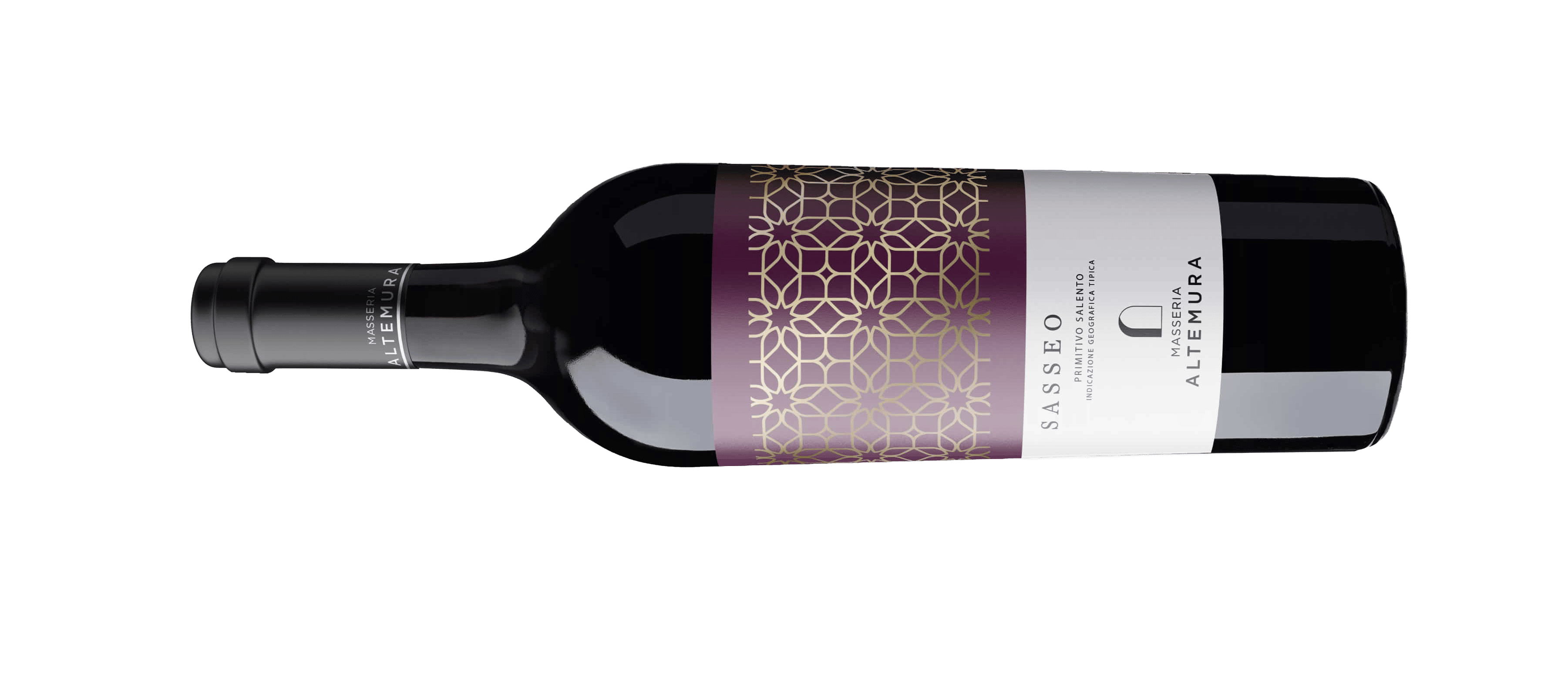
Depending on where you are located, you may call the grape variety that is in this Zinfandel or Primitivo. In Salento, southeastern Italy, where Masseria Altemura produce ‘Sasseo’, the grapes are known as Primitivo.
Primitivo thrives in coastal parts of southeastern Italy. The grape variety is derived from the words primativus or primaticcio and refers to its tendency to ripen earlier than other varieties. When an American expert visited Italy in 1967, he noticed that the wine made from Primitivo reminded him of Zinfandel. Research was undertaken, and an identical connection was made in 1972. Today, most Italian Primitivo is made as a rustic, alcoholic wine, and some Italian winemakers age it in new American oak to replicate American-style Zinfandel.
The sasso limestone stone in the soil reflects heat onto the Primitivo bunches to help ripen them to perfection.
Zinfandel was transplanted in California in the 1850s at Oak Knoll Vineyard near Napa in the mid-19th century. Planting of Zinfandel boomed, and it soon became the most widespread variety in California. Primitivo typically produces a robust red wine, however, due to its versatility, a semi-sweet rosé or blush-style wine called White Zinfandel is also produced.