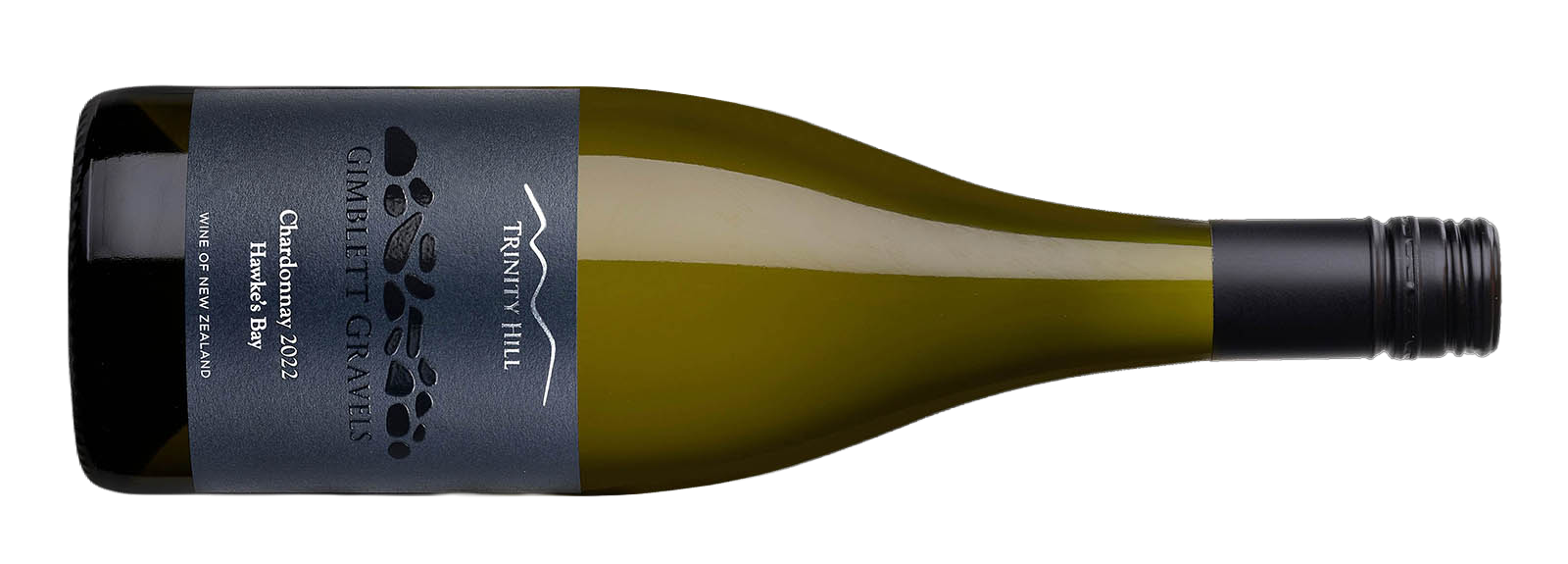
Trinity Hills Chardonnay

Country/region: New Zealand – Hawke’s Bay
Grape: Chardonnay
ABV: 13,5%
Taste: This Chardonnay has fragrant aromas of nectarines, citrus and lime zest with an added nutty complexity and a flinty minerality. The result is a wine of finesse and complexity, qualities that are hallmarks of Trinity Hill Gimblett Gravels Chardonnay. It is a premium wine that will improve with bottle age for up to five years. 

Goes well with: Chicken, Seafood, Risotto
Type: White
Year: 2022
Available: Out of Stock
The Trinity Hill Chardonnay is considered one of the finest in New Zealand, credit: Trinity Hills.

Trinity Hills produces one of New Zealand’s most distinctive Chardonnays from fruit sourced on its estates in Hawke’s Bay Gimblett Gravels region.
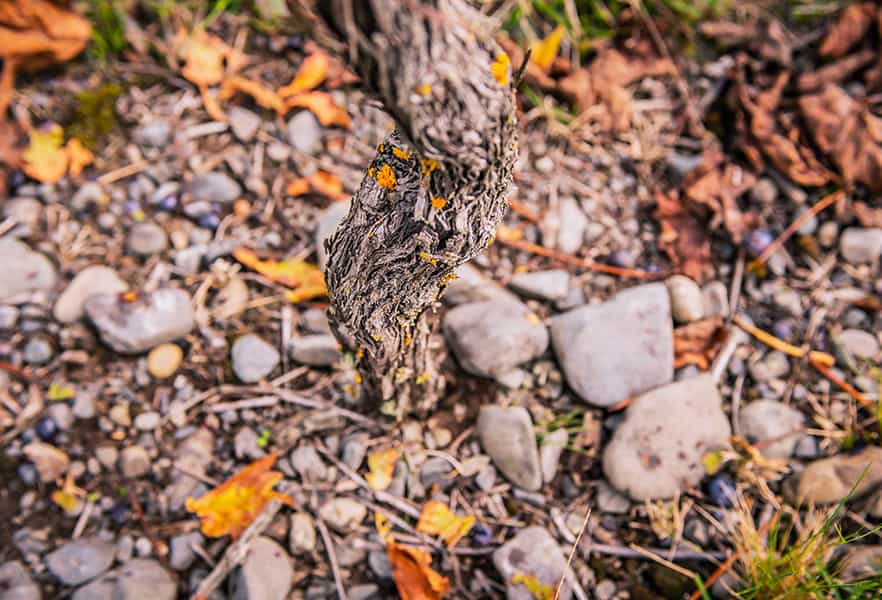
Rocks in the gravel radiate heat to the vines of Gimblett Gravels at Trinity Hill, credit Trinity Hills.
New Zealand wines from Central Otago and Marlborough are well-known and respected, and there would be only a handful of wine lovers who have tired of the country’s Pinot Noir or Sauvignon Blanc wines. It is as if New Zealand has taken ownership of these two styles among other New World wine producers. Wine is produced in several regions, but the wines from Hawke’s Bay provide considerable interest as several other varietals thrive here.

New Zealand is the world’s 13th biggest wine-producing nation. Despite making up only 1.5% of global wine production, Aotearoa’s (Land of the Long White Cloud) wines have garnered international recognition. 

Located on the east coast of the North Island, the wines of Hawke's Bay wines are noteworthy for their diverse range of premium reds, especially Bordeaux-style blends and Syrah (Shiraz), along with full-bodied Chardonnays. The region's varied soils, long growing season and temperate climate contribute to some wines of interest. The main towns of Napier and Hastings attract tourists who appreciate the temperate climate, proximity to Auckland and Wellington, and other wine routes. 

Despite grape production dating beginning in the 1850s, it was the recognition of the Gimblett Gravels sub-region that created renewed interest. The meandering Ngaruroro River deposited the Gimblett Gravels, and it’s these rocky sediments that make wines of exceptional character and personality. The free-draining soils of sand, silt, and gravel are ideal for growing grapes. In addition, the gravelly terrain absorbs heat during the day while radiating it back to the vines in the evening. This helps to ripen the grapes while intensifying the flavour of the fruit.

Once regarded as barren, unusable land, the gravels have undergone a remarkable transformation. The first vineyards on the gravels were established in the late 1970s. Despite facing challenges such as legal battles and opposition to viticulture, the region’s trailblazers persevered, laying the foundations for Gimblett Gravels to become one of the world’s most recognised wine regions. 

Trinity Hill’s three estates are located within the Gimblett Gravels. Each vineyard was carefully selected to showcase the diversity and complexity of its terroir. From the stony soils of Gimblett Stones to the sheltered warmth of Gimblett Estate, each imparts its own distinct character.

Weather conditions leading up to the 2022 harvest were characterised by warm sunny days with moderate to cool nights. In autumn, the weather became cooler and wetter; however, this was ideal for preserving natural fruit acidity as well as freshness and flavour. The grapes were hand-harvested and then fermented in 500-litre French oak puncheons and barriques, with 46% of the barrels comprising new oak. The wine was barrel-aged for 12 months and then was matured in tanks for an additional six months on yeast lees to enhance the wine’s texture and complexity. 

Barrel maturation has added an oakiness to this wine's flavour profile making it graceful yet powerful. As such, it pairs well with dairy-based sauces and seafood (scallops and lobster), Indian butter chicken, and creamy risotto.