A Taste of Margaret River

2 minutes reading time
A Taste of Margaret River
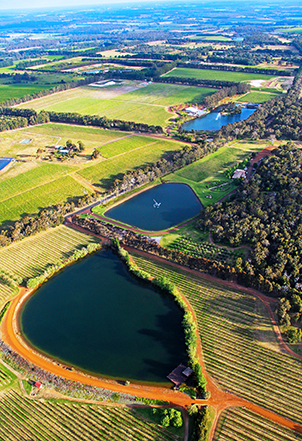
The medical profession in Perth, the Western Australian capital, fully appreciates that a glass of wine a day is good for everyone’s health. In the late 1960s, some of the city’s doctors pioneered winemaking in Margaret River, one of the world’s finest wine-producing regions, located three hours south of Perth. Fronting the Indian Ocean, Margaret River enjoys a Mediterranean climate that’s ideal for growing grapes. Its wines are highly regarded despite the region’s winemaking infancy.
The wine world paid attention when a 1982 Cape Mentelle Cabernet Sauvignon won the nation’s most prestigious wine trophy, the Jimmy Watson Medal, at the 1983 Melbourne Show. The following vintage also won, and things haven’t looked back since.
Many of the region’s estates are artisanal as they produce less than 50 tonnes of grapes per annum. While Margaret River only contributes 2% of the nation’s total wine production, it accounts for more wine medals and more five-star wineries than any other. Since 2014, Margaret River has claimed 80% of the trophies for Cabernet Sauvignon at leading Australian wine shows.
It is acclaimed for Chardonnay as well as wines made from a blend of Sémillon and Sauvignon Blanc. Fruit-driven Chardonnays are produced from the famous Gin Gin clone. Chardonnays are recognised for their purity and layered flavours, with some winemakers using French oak barrel ageing to create complexity.
The wine world paid attention when a 1982 Cape Mentelle Cabernet Sauvignon won the nation’s most prestigious wine trophy, the Jimmy Watson Medal, at the 1983 Melbourne Show. The following vintage also won, and things haven’t looked back since.
Many of the region’s estates are artisanal as they produce less than 50 tonnes of grapes per annum. While Margaret River only contributes 2% of the nation’s total wine production, it accounts for more wine medals and more five-star wineries than any other. Since 2014, Margaret River has claimed 80% of the trophies for Cabernet Sauvignon at leading Australian wine shows.
It is acclaimed for Chardonnay as well as wines made from a blend of Sémillon and Sauvignon Blanc. Fruit-driven Chardonnays are produced from the famous Gin Gin clone. Chardonnays are recognised for their purity and layered flavours, with some winemakers using French oak barrel ageing to create complexity.
The Quest for Greatness
Viticulture began in 1955 when Dr Harold Olmo, a Californian expert, was invited to advise the Western Australian government on grape production. In the 1960s, agronomist Dr John Gladstones recognised that Margaret River’s climate was similar to Bordeaux. The maritime influence, mild winters, and long growing season provided ideal conditions.
Vines were first planted by Dr John Cullity at Vasse Felix in 1967. His small plantings of Malbec, Shiraz, Cabernet Sauvignon, and Riesling set a trend for others to follow. Grapes for the estate’s flagship Heytesbury Red are sourced from growers across the region to enable winemakers to create a premium blend of Cabernet Sauvignon, Malbec, Merlot, and Cabernet Franc varietals.
With wineries like Leeuwin Estate, Evans & Tate, Pierro, and Cullen leading the way, Margaret River maintains its position as a premium producer. With over 200 wineries, there are other stars too, including Voyager, Xanadu, Devil’s Lair, Howard Park, and Cape Mentelle.
Leeuwin Estate
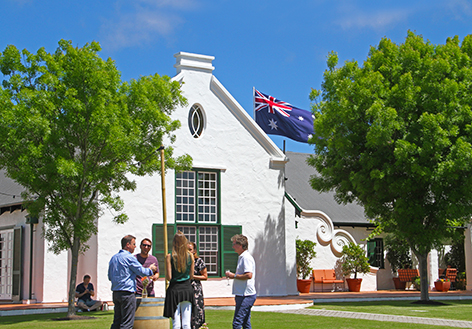
The early estates were novices who knew little about wines except that they enjoyed drinking them. Leeuwin Estate’s Denis Horgan was one of the first to become interested in making wines after the legendary American winemaker Robert Mondavi acknowledged that the region could produce premium wines. Horgan planted vines, and Leeuwin Estate developed a formidable reputation, particularly with its Art Series wines. The Art Series Chardonnay, ranked among Australia’s finest, is made from estate-grown grapes that result in an opulent wine that ages well. Leeuwin Estate, like Vasse Felix and Moss Wood, also makes one of Australia’s noblest Bordeaux-styled Cabernets. Vignerons agree that great Cabernet Sauvignon start in the vineyard with a temperate climate, ample sunlight, and well-drained soils that aren’t overly fertile. Its Art Series Cabernet Sauvignon features blackcurrant flavour and a well-rounded finish with fine tannins. Leeuwin Estate is also home to a farm-to-table restaurant, an art gallery, and high-profile music events featuring global artistes.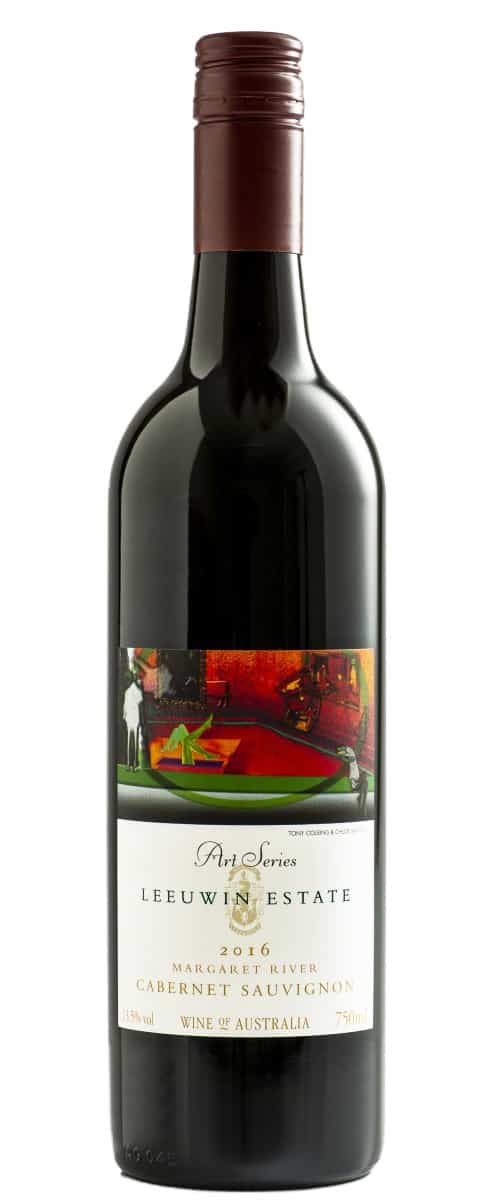
Evans & Tate

Evans & Tate has been producing premium wines since the early 1970s. Its Redbrook range, particularly the Chardonnay and Cabernet Sauvignon, is well received by wine drinkers. As one of the region’s largest producers, Evans & Tate continues to push boundaries while staying true to its classic winemaking philosophy.
Pierro
Pierro is a small but highly revered winery with an enviable reputation for its Chardonnay, long regarded as one of Australia’s most complex and expressive. Founded in 1979 by Dr Mike Peterkin, Pierro remains family-run and continues to uphold excellence through meticulous winemaking techniques. The estate’s barrel-fermented Chardonnay is one of the region’s more powerful, with mandarin, grapefruit, and peach flavours.
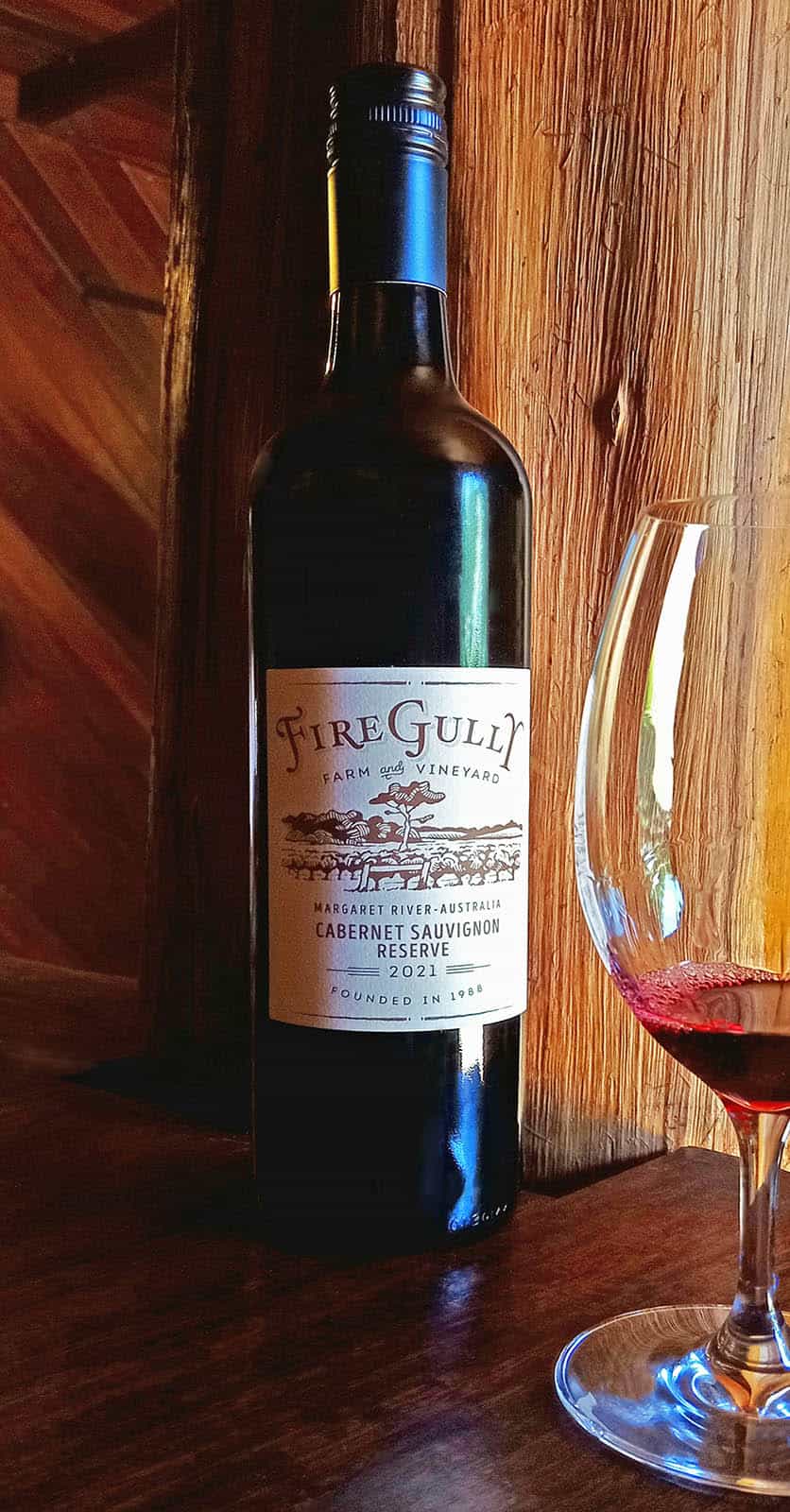
Fire Gully is also produced by Pierro, and in line with crafting handmade, small-batch wines, the fruit for its Cabernets Merlot (the blend includes both Cabernet Sauvignon and Cabernet Franc) is sorted by berry, not bunch, to ensure only the finest fruit makes the mix. This classic Bordeaux blend delivers a premium wine with backbone, perfumed aromas, and soft texture. Blackcurrant and plum flavours dominate to make it the perfect accompaniment to cuts of premium local beef.
Cullen Wines
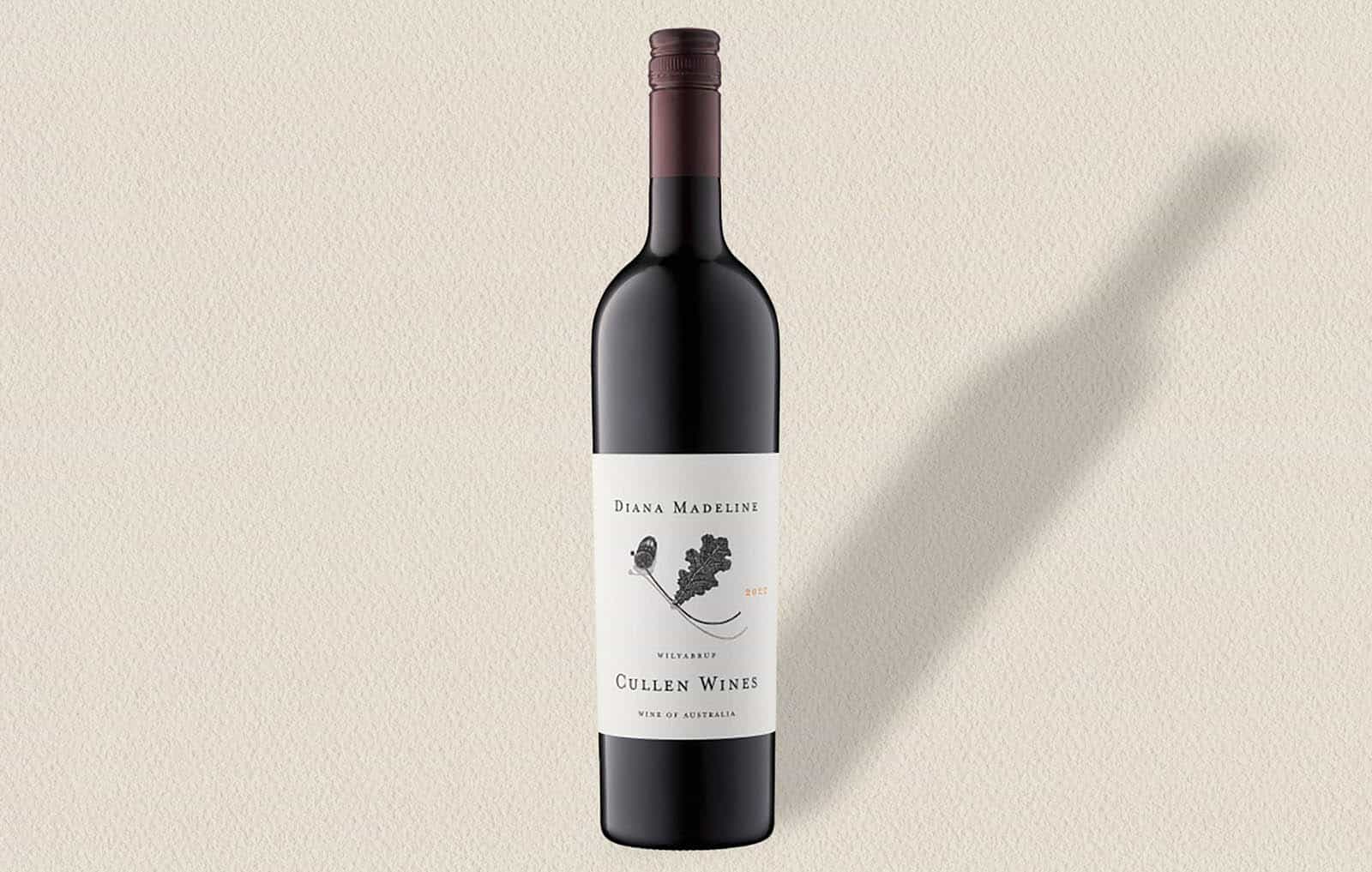
A pioneer of biodynamic and organic winemaking, Cullen is synonymous with sustainability and quality. Established in 1971 by Kevin and Diana Cullen, the estate is renowned for its flagship Diana Madeline Cabernet Sauvignon blend and its elegant but restrained Chardonnays. Diana Madeline is regarded as Australia’s greatest wine of its style. It has fine-grained tannins and a palate of intense dark fruits. While Cabernet Sauvignon grapes dominate, Cabernet Franc, Malbec, and Petite Verdot often make the blend. The result is a wine with deep colour, intense aromas, and a fine texture with balanced oak and fruit.
Cullen’s unwavering commitment to environmental stewardship sets a global benchmark for sustainable viticulture. Daughter Vanya now oversees winemaking that incorporates organically and biodynamically practices.
Regional Tourism
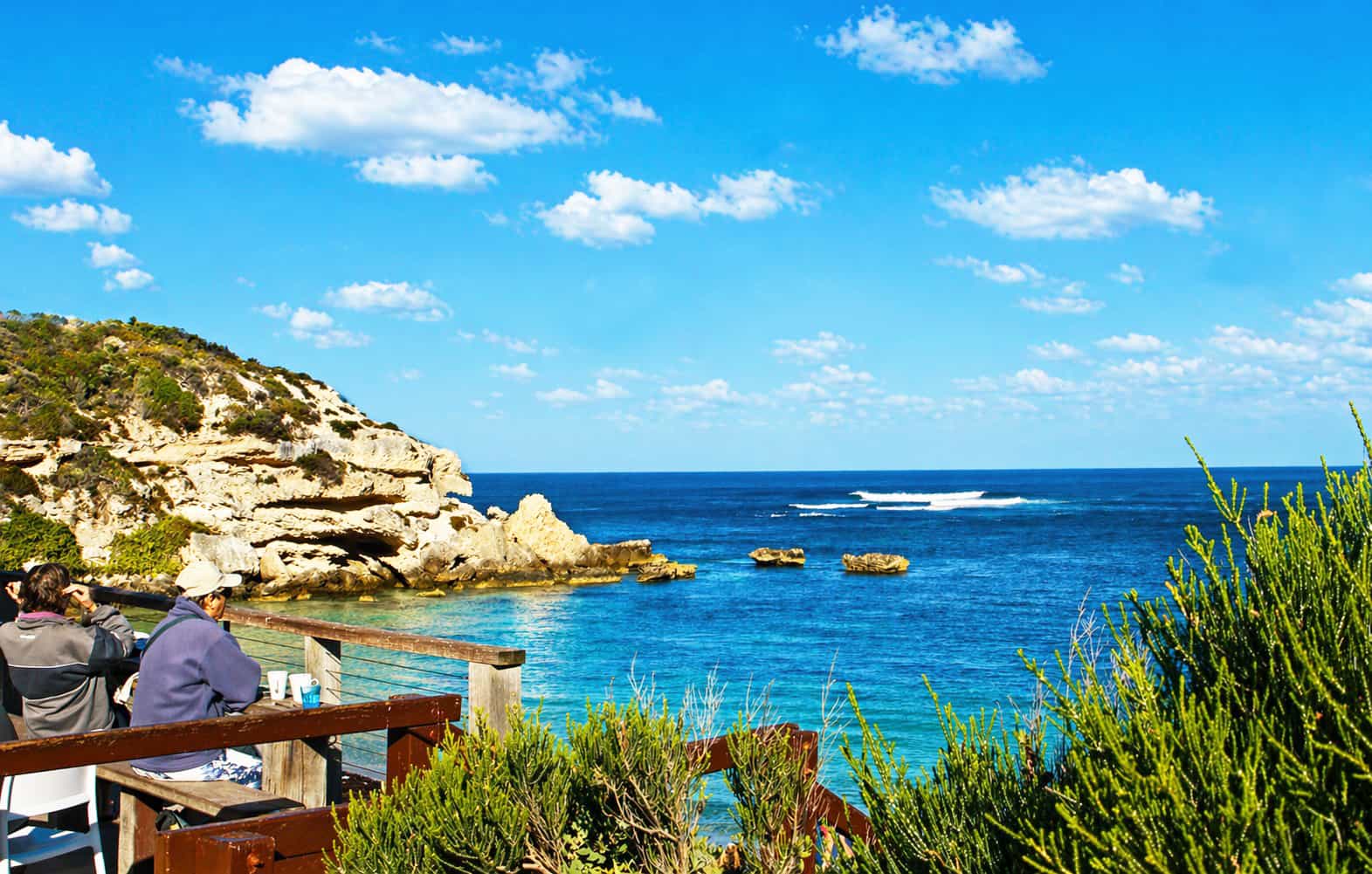
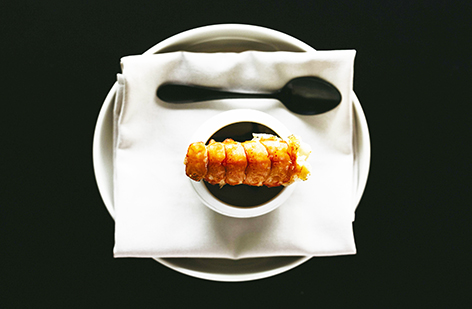
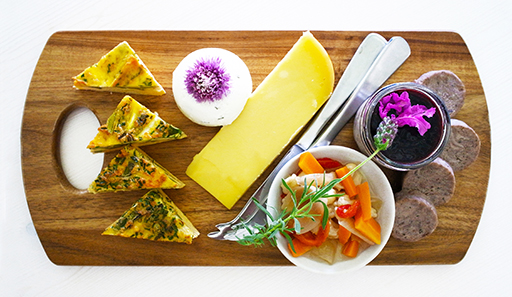
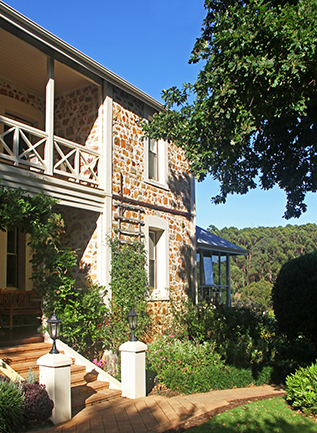
It isn’t only wine lovers who are attracted here, as tourist facilities like luxury accommodation, gourmet dining, and artisanal products provide depth to its appeal. Being as isolated as it is, it takes dedication and a sense of purpose to travel south, but it’s a journey worth making.
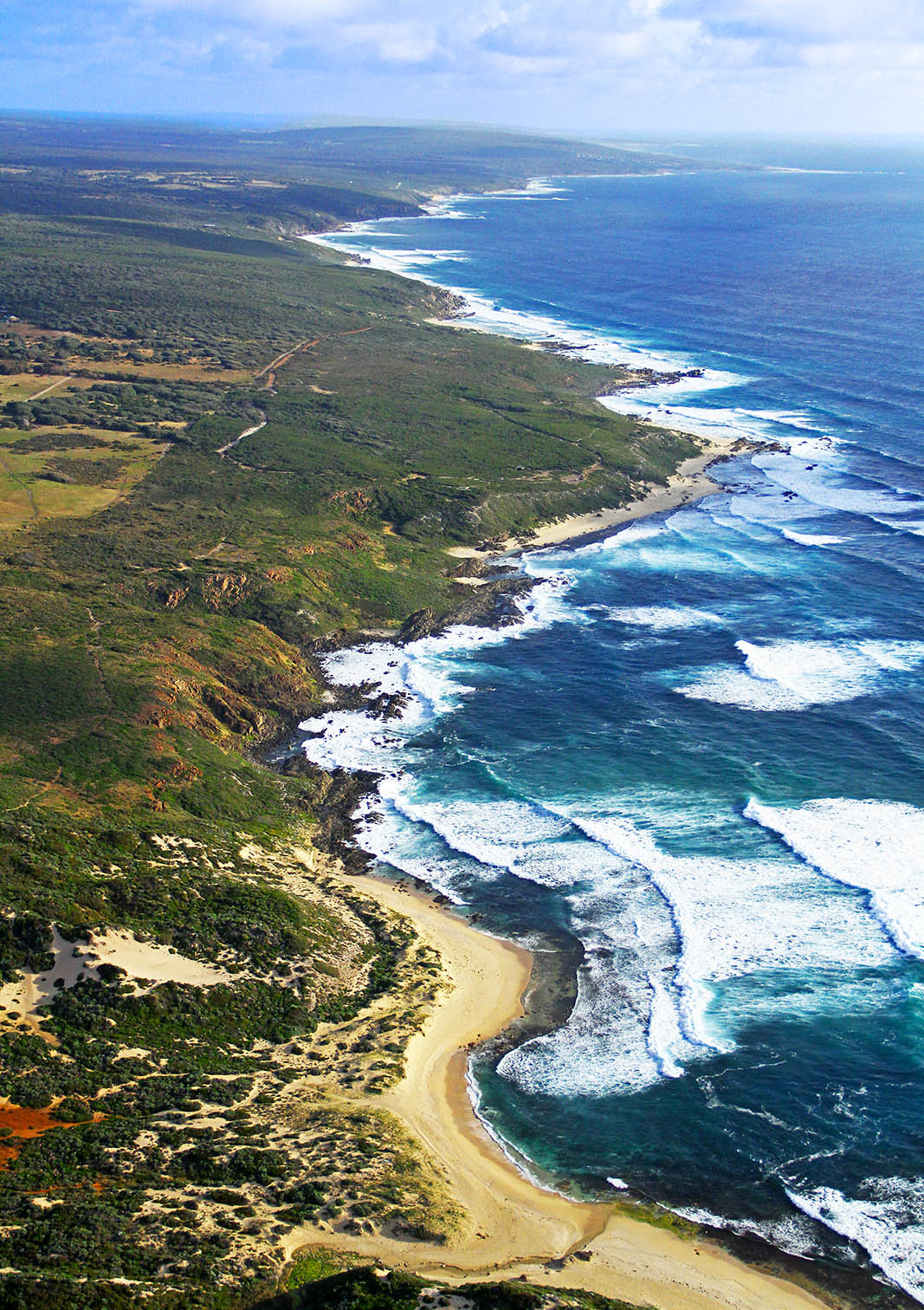
It’s a destination that features landscapes including beaches, forests, vineyards, and pastures, as well as supporting a thriving food and arts scene. Its attractions and activities make it a popular holiday destination, and the small town of Margaret River has become a magnet for discerning travellers.
The coastline delivers epic surf swells, whale-watching viewpoints, walking trails, and tranquil escapes. While Australia’s First Nations people have lived off the land here for over 50,000 years, the region was only explored by Europeans in the 17th century.
The wave breaks attract surfers; some visit and stay, never returning to where they came. The work-life balance is valued by most locals, and the surf culture dictates that if there’s a big swell rolling, arriving late to work is considered acceptable.